Tianjin wetlands welcome a million birds as migration peaks
Endangered red-crowned cranes have appeared for the first time in 20 years. Over 109,000 Baikal teals have been documented across two reserves.

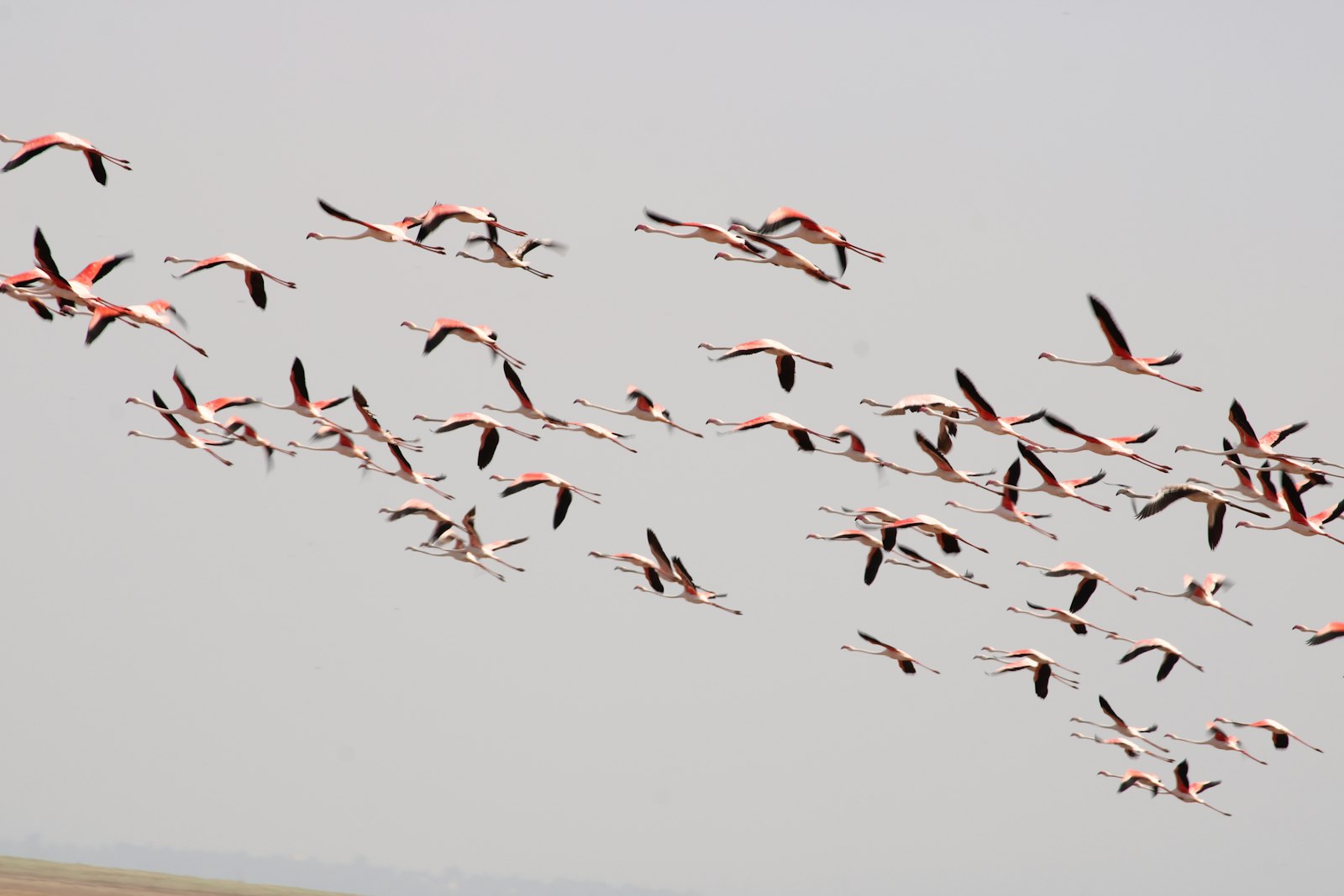
Over 650 square kilometers of protected wetlands in Tianjin, China, are expected to welcome a million birds as migration reaches a peak this fall. More than 70,000 Baikal teals have arrived at Beidagang Wetland Nature Reserve. The Qilihai Wetland Nature Reserve saw 1,600 Oriental storks and over 39,000 Baikal teals. The Dahuangbao Wetland Nature Reserve welcomed 55,000 geese and ducks and over 11,000 pied avocets. And over 65,000 migratory birds have stopped over at Tuanbo Bird Nature Reserve.
Rare birds are on the rise as well. Beidagang recorded 27 greater flamingos, setting a new record. Three endangered red-crowned cranes passed through Qilihai, their first appearance in 20 years. Oriental storks, white-naped cranes, and Saunders's gulls have been increasing in recent years.
Birds of prey are also finding refuge, with 5,000 raptors across 23 species recorded, including the short-toed snake eagle and the eastern imperial eagle. This highlights the city's value as an important node along the raptor migration route.
These numbers are a testament to the restorative power of water. Decades of urban expansion, land reclamation, and drought had caused Tianjin's nature reserves to shrink. In 2017, authorities began regularly pumping and diverting freshwater into the city’s nature reserves to re-flood dried marshes, improve water quality, and restore habitat for migratory birds. Fingerlings are also released into the marshlands to supplement migratory birds’ food supplies.
A variety of technologies are used to crack down on poaching, including infrared cameras and remote video surveillance. Prohibitions on illegal hunting, breeding, trafficking, transporting, and consumption of wild birds are strictly enforced.
Source: TianJin Daily.