Record 5,100 Siberian cranes spotted in one day at Chinese nature reserve
More than 350,000 migratory birds have been recorded passing through the Momoge Wetland during this autumn’s migration season. Siberian crane numbers have more than doubled since 2015, when conservation efforts were first enacted.

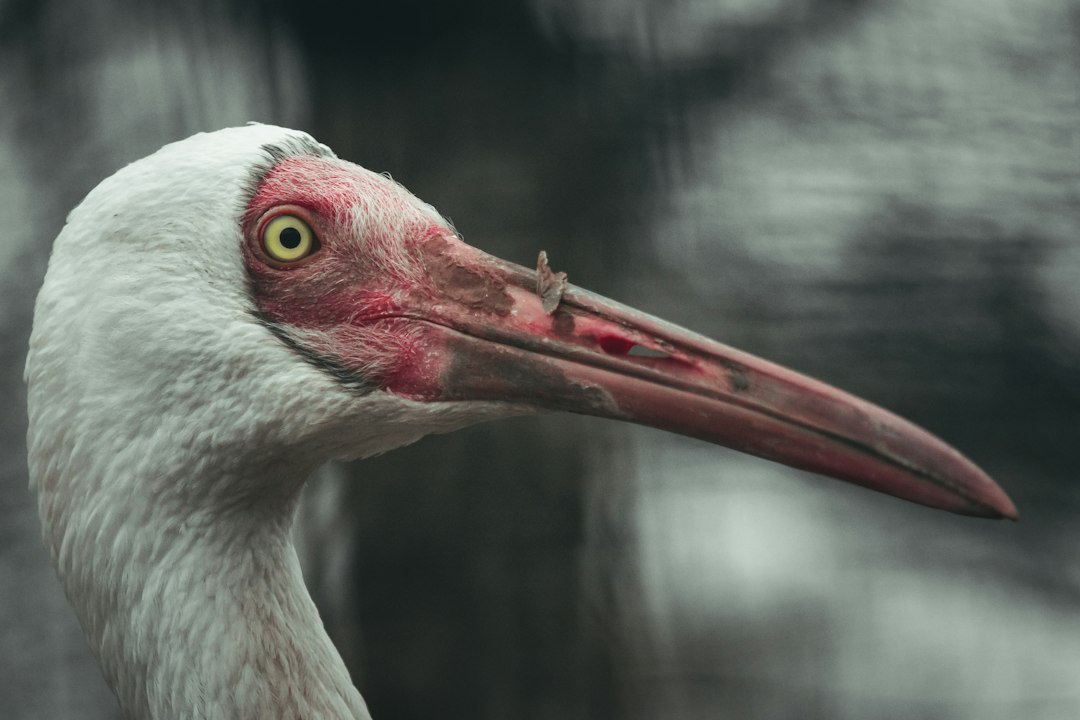
Source: China News Service.
During this autumn migratory bird season, the cumulative number of passing migratory birds monitored in the Momoge Wetland in Zhenlai, Jilin Province, has exceeded 350,000. Among them, the single-day monitored population of Siberian cranes reached 5,100, setting a new historical record. The Baicheng Bird Protection Team of the China Wildlife Conservation Association reported the news on November 1st.
(Editor's note: Siberian crane numbers have doubled since 2015 — from 3,500 birds to 7,700 — thanks to conservation efforts first initiated by the International Crane Foundation).
Siberian cranes are a national Class-I protected wild animal in China and are listed as critically endangered by the International Union for Conservation of Nature (IUCN). The Momoge Wetland is one of the world's most important stopover sites for migrating Siberian cranes, and Zhenlai enjoys the renowned reputation of being the "Hometown of White Cranes of China."
Situated in the western part of the Songnen Plain, the Momoge Wetland features multiple intersecting rivers, dense lakes and ponds, and lush vegetation such as reeds, bulrushes, seepweeds, and cattails. This provides abundant food sources and an excellent habitat for over 200 species of birds, including Siberian cranes.
In mid-October this year, the National Bird Ringing Center of China organized a simultaneous survey across Northeast China and eastern Inner Mongolia (the Songnen Plain stopover area). Data shows that the total population of Siberian cranes in this region reached 7,700, with the maximum single-day monitored count in the Zhenlai Momoge Wetland hitting 5,100—underscoring the wetland's critical status along the global Siberian crane migration flyway.
Siberian crane migration spans countries such as China, Mongolia, and Russia, requiring coordinated protection efforts across their breeding grounds, stopover sites, and wintering grounds. Recently, institutions including the Lena Pillars Nature Park in Russia, the International Crane Foundation, the National Bird Ringing Center of China, and the Scientific Research Committee of the China Wildlife Conservation Association conducted a joint inspection in the Jilin Momoge National Nature Reserve. They held in-depth discussions on topics such as habitat management and protection, migration dynamic monitoring, and the establishment of a cross-border collaborative protection mechanism.
Pan Shengyu, leader of the Baicheng Bird Protection Team under the China Wildlife Conservation Association, stated that because Siberian cranes have long migration cycles and broad pathways, protection in a single region cannot cover their survival needs throughout their entire lifecycle. Countries need to deepen scientific research cooperation, share monitoring data, and connect conservation measures. Currently, various parties plan to promote the inclusion of the Momoge Wetland into the China-Russia International Siberian Crane Protection Network, striving to officially sign a cooperation agreement by 2027.
Read this story in Chinese. Translation by Google.