Over 340,000 acres of giant panda habitat restored in Sichuan
Pandas are multiplying, and park cameras are spotting snow leopards, snub-snosed monkeys, and rare parakeets.

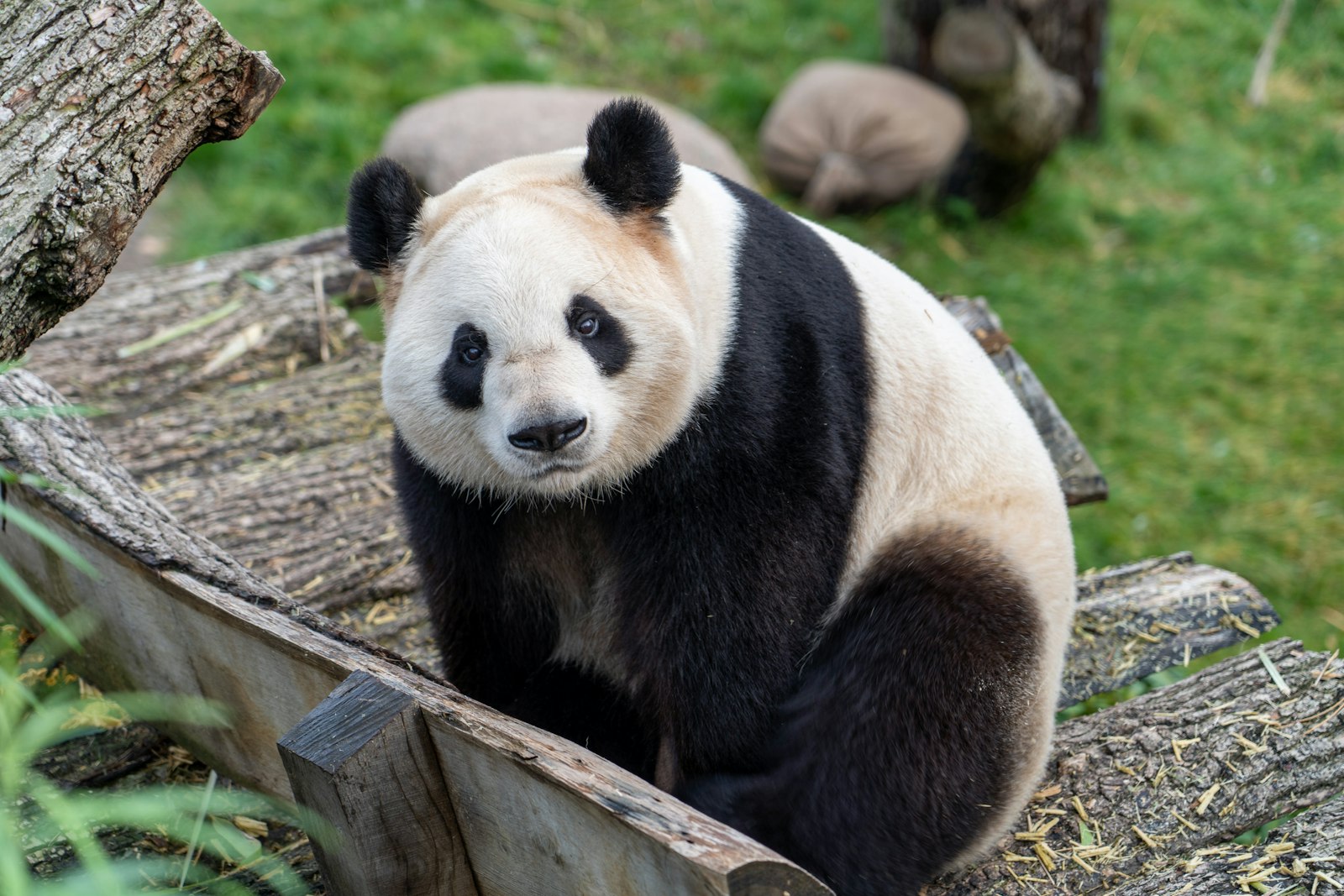
October 12, 2026 (Science and Technology Daily) — Over the past five years, Sichuan has restored more than 340,000 acres of giant panda habitat, according to data released at an October 12 press conference on the five-year construction achievements of the Sichuan Area of the Giant Panda National Park in Chengdu, Sichuan.
"Over the past five years, we have accelerated the construction of an 'air-space-ground' integrated monitoring system, continuously carrying out special surveys on rare wild animals—such as giant pandas, snow leopards, and golden snub-nosed monkeys—alongside their natural habitats, using monitoring data to objectively verify our conservation results," said Zhou Gupeng, Director of the Sichuan Administration of the Giant Panda National Park. According to the survey findings, the ecological conservation outcomes in the national park are remarkable: habitat quality continues to improve and biodiversity is steadily increasing.
Among these achievements, wild giant panda population protection results are particularly prominent. Over the past five years, the wild giant panda population across the 8 key monitoring areas within the Sichuan section increased by 7.3% year-over-year, and active traces of wild pandas were discovered in multiple new zones. Across 7 critical ecological corridors, video footage of wild pandas was captured more than 150 times, demonstrating that these corridors are effectively fulfilling their function of promoting genetic exchange among populations.
Meanwhile, the "umbrella effect" of giant pandas continues to manifest, effectively consolidating the authenticity and integrity of the ecosystem. On one hand, the species baseline has become much richer. Over the five-year period, new species and new distribution records have been continuously discovered, including 14 new plant species and 2 new amphibian/reptile species, with multiple new wildlife records—such as the red-breasted parakeet—added in places like Yingjing and Shimian. On the other hand, rare and endangered populations are continuing to recover: snow leopard sighting locations have increased year by year, the golden snub-nosed monkey population remains generally stable with ongoing local expansion, and leopards have been rediscovered in Pingwu, Mianyang.
"Behind this ecological report card lies a standardized and systematic set of conservation and management practices," Zhou Gupeng introduced. The park strictly regulates human activities such as production, daily life, and infrastructure construction, carrying out routine remediation of ecological violations. Compared to the pilot phase, the total number of human interference points has decreased by 51.6%.
Simultaneously, the park has phased out facilities with high ecological impact, withdrawing 200 mining rights and decommissioning 270 out of 281 small-scale hydropower stations. It has also scientifically implemented habitat restoration projects, compiled and issued technical guidelines for habitat recovery, and established habitat restoration germplasm bases in places like Qingchuan, Pengzhou, and Mianzhu to continuously enhance habitat integrity and suitability.
Read the original story in Chinese.