Griffon vultures multiply in Sicily with help from Spain
Twelve griffon vultures from Spain are bolstering the reintroduction project in the Madonie Mountains, Sicily, where the species has returned to nest for the first time in 70 years. Today, the local population numbers around 80 individuals.

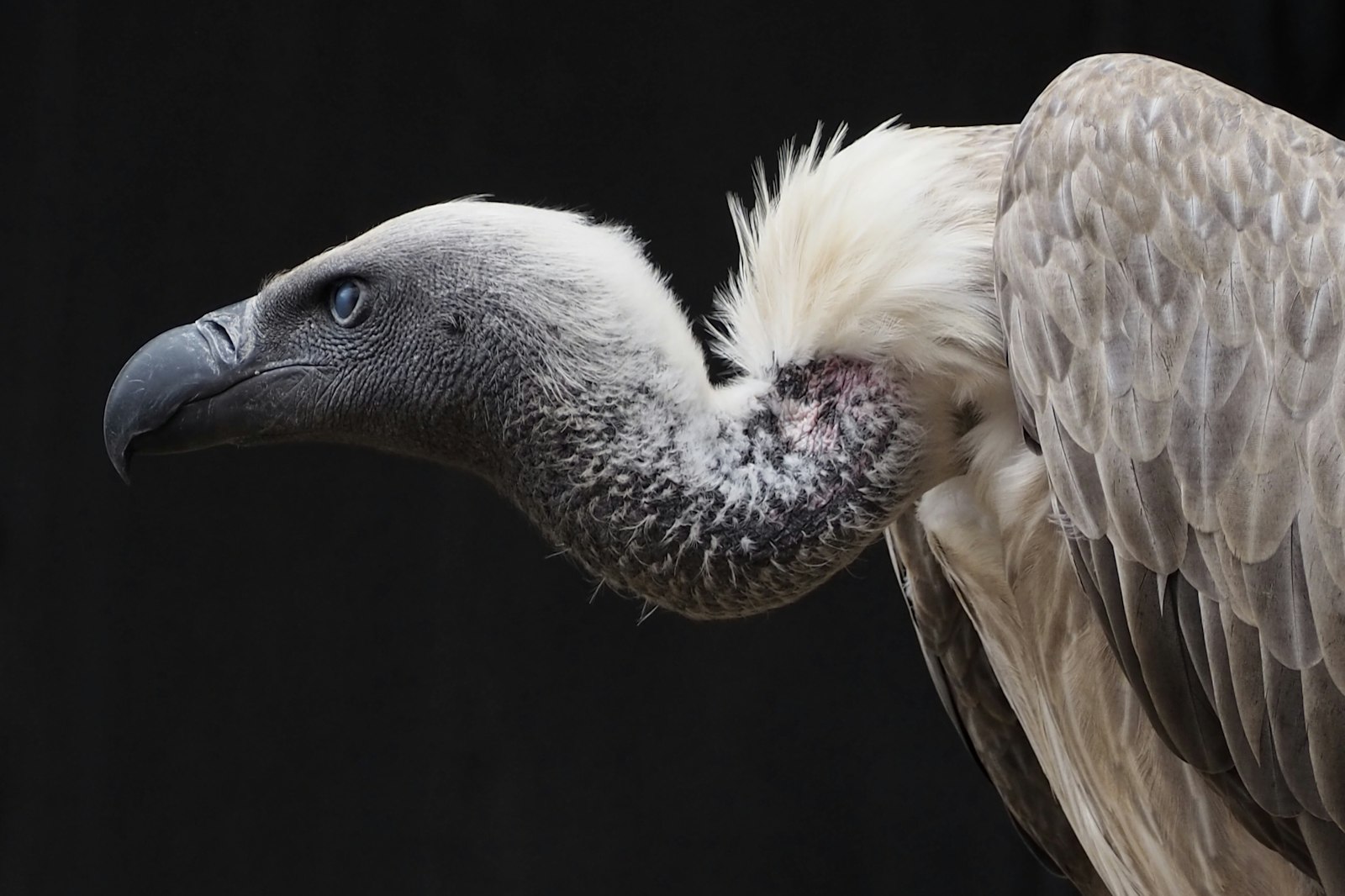
Twelve young griffon vultures have arrived from Spain to the Madonie Mountains in Sicily to support the reintroduction project for a species that vanished from these mountains about 70 years ago, reports FanPage. The vultures were welcomed on Sunday into the acclimatization aviary in contrada Terra dei Poveri, within the municipality of Isnello in the province of Palermo, where they will spend a few months before being released into the wild.
The transfer was organized thanks to a collaboration with GREFA, a Spanish association specializing in wildlife rescue and conservation, as part of a program promoted by the Madonie Park Authority, the Mediterranean Biodiversity International Foundation, and the Municipality of Isnello.
The twelve griffon vultures will spend between six and eight months in the acclimatization aviary to gradually get used to their new territory. Only then will they be released to reinforce a population that already numbers approximately 80 individuals.
Griffon Vultures Return to Madonie After 70 Years
The griffon vulture (Gyps fulvus) is one of the largest raptors in Europe, with a wingspan that can reach up to 2.8 meters (9.2 feet). Like all vultures, it is a scavenger, feeding almost exclusively on animal carcasses. It plays a vital ecological role by removing dead animals from the environment, thereby limiting the spread of pathogens and parasites.
Once widespread across the Madonie Mountains, this large scavenger disappeared from the area around the 1950s, primarily due to direct persecution and the use of poisoned bait. The project to bring them back to the Sicilian mountains was launched in 2021 through the construction of the Isnello aviary and the transfer of an initial core group of 35 young griffon vultures from Spain.
Meanwhile, the colony has spontaneously been joined by vultures coming from other parts of Sicily and other Italian regions. Then, in 2026, the project achieved its first true milestone: two pairs nested in the Madonie Mountains, successfully raising two chicks. This marked the species' return to reproduction here for the first time in about 70 years, likely thanks to some adult griffons arriving from the nearby Nebrodi Mountains.
The new transfer is part of an even broader project that aims to bring an additional 50 to 60 griffon vultures from Spain between 2026 and 2027, with the ultimate goal of definitively consolidating the population. The project also includes monitoring the birds via GPS devices and managing dedicated feeding stations (carnai)—artificial feeding points where carcasses, including those from wild ungulate culling plans, are made available.
Griffon Vultures in Italy Today
The history of the griffon vulture in Italy is one of disappearances, reintroductions, and major recoveries. In the past, the species was much more widespread, but throughout the 20th century, it suffered a drastic decline until it survived with only a single native Italian population in Sardinia.
Today, Sardinia records some of the most significant conservation successes for the species. Thanks to the LIFE Under Griffon Wings and LIFE Safe for Vultures projects, the population has grown considerably, with current estimates at around 550 griffons and roughly 120 breeding pairs.
In the rest of the peninsula, their return has been driven primarily by reintroduction projects. Today, stable breeding populations exist in the Friulian Prealps (particularly in the Lake Cornino Nature Reserve), the central Apennines between Abruzzo and Lazio, the Nebrodi and Madonie mountains in Sicily, and the Pollino National Park between Calabria and Basilicata.
The return of the griffon vulture to Italy is considered one of the most important conservation achievements in the country, but the future of the species still heavily depends on reintroduction and artificial feeding initiatives. Main threats continue to include poisoned bait, lead fragments from ammunition in hunted animals, collisions with energy infrastructure such as wind turbines, and the availability of large herbivores.
This new group of vultures arriving in the Madonie—where the Egyptian vulture has also recently returned to nesting—represents another important piece in the recovery of a species that had been almost entirely erased from much of Italy's territory. Their return signifies not only the comeback of the birds themselves, but above all, the restoration of their fundamental role as natural clean-up crews for our ecosystems.
Translation by Google.